Our Chit Chat Club gatherings sit amidst books—actually we are embraced by books, maybe not a real library but rather a decorative one much like those backdrops of well positioned tomes used by media talking heads when they want to appear cerebral and credible.
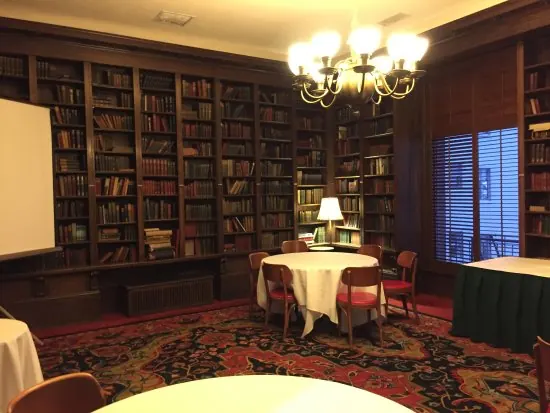
I feel comfortable surrounded by books, even if they are just window dressing like at our dinners at the University Club. So much so that when travelling I make sure to stumble on any libraries that offer the opportunity to make me feel like I have not strayed too far from my psyche’s home. Visiting London, I always like to walk into the British Library, if only to glimpse at the Magna Carta, Paul McCartney’s scribbles for the Beatles song, “Yesterday,” and Lewis Carroll’s sketches of Alice in Wonderland.
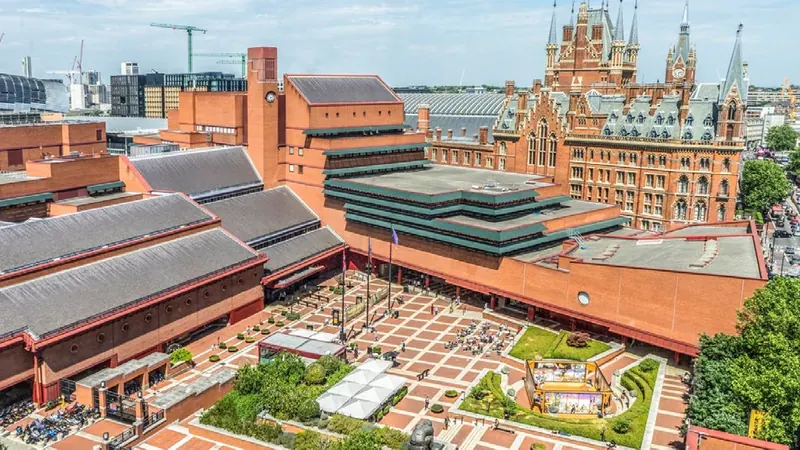
As magnificent as the new 1990s British Library is, squeezed between Euston and St. Pancras train stations, nothing compares to the Library’s round reading room when it existed in the atrium of the British Museum and was used by Dickens, Darwin, Karl Marx and Virginia Woolf.
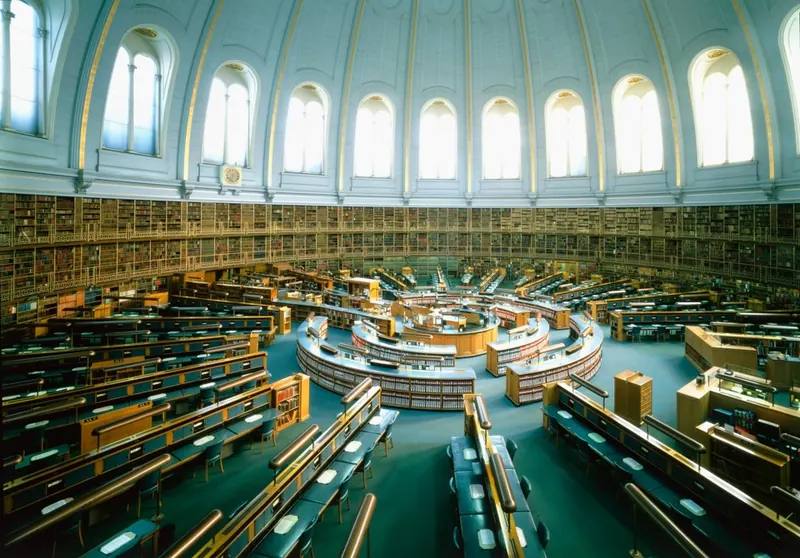
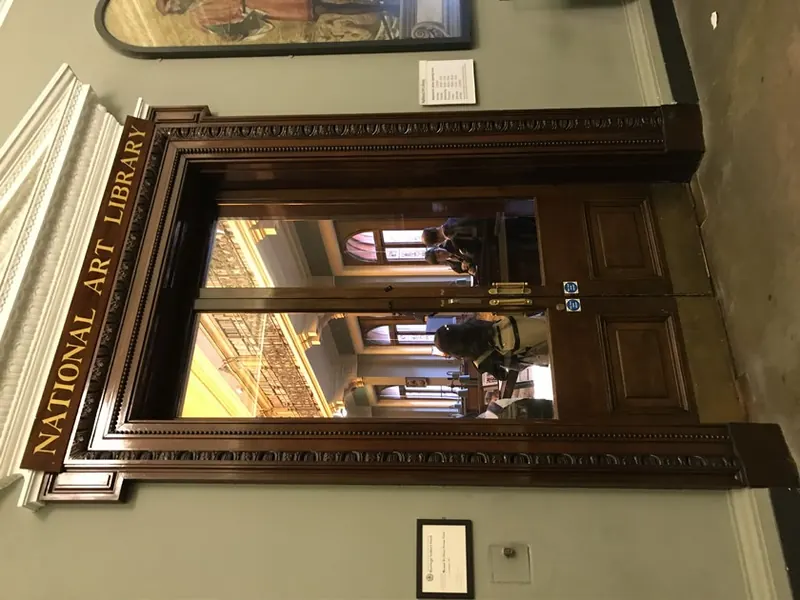
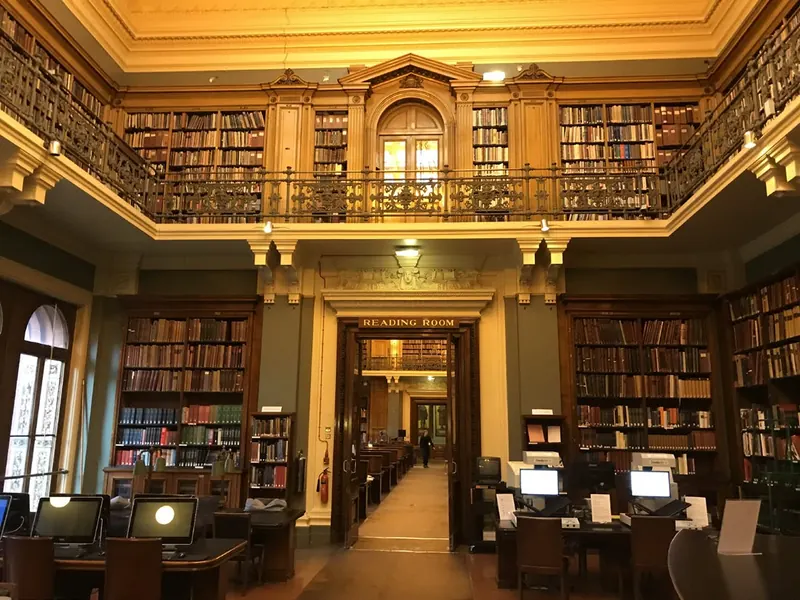
In 2019 I finally visited the labyrinth Victorian and Albert Museum, and was enthralled by their peculiar collections of design, sculpture, photography, and as an art librarian, my mini-pilgrimage to the National Art Library housed in a perfectly designed art library setting.
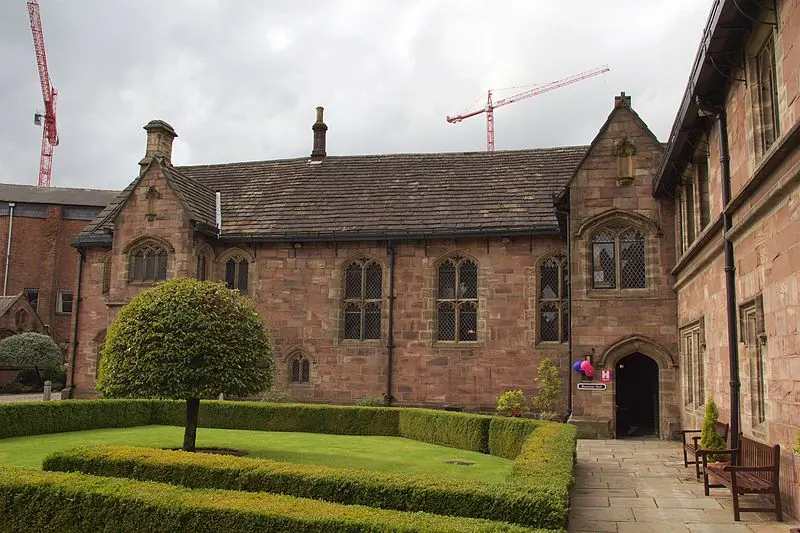
My busman’s holiday excursions have taken me to visit beautiful libraries in Manchester, a city that can lay claim to the beginning of the Industrial Revolution (and consequently the labor movement); the place where Rolls met Royce and also to the Chetham’s Library where Karl Marx would meet up with Frederick Engels.
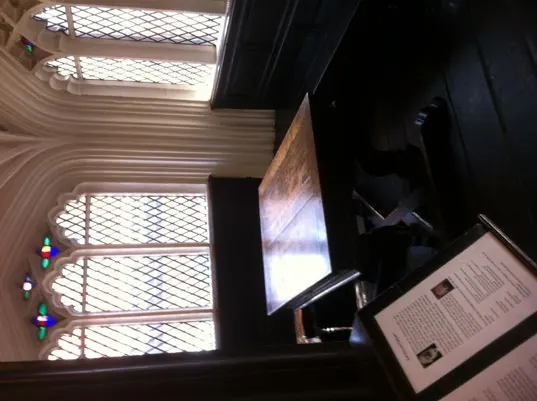
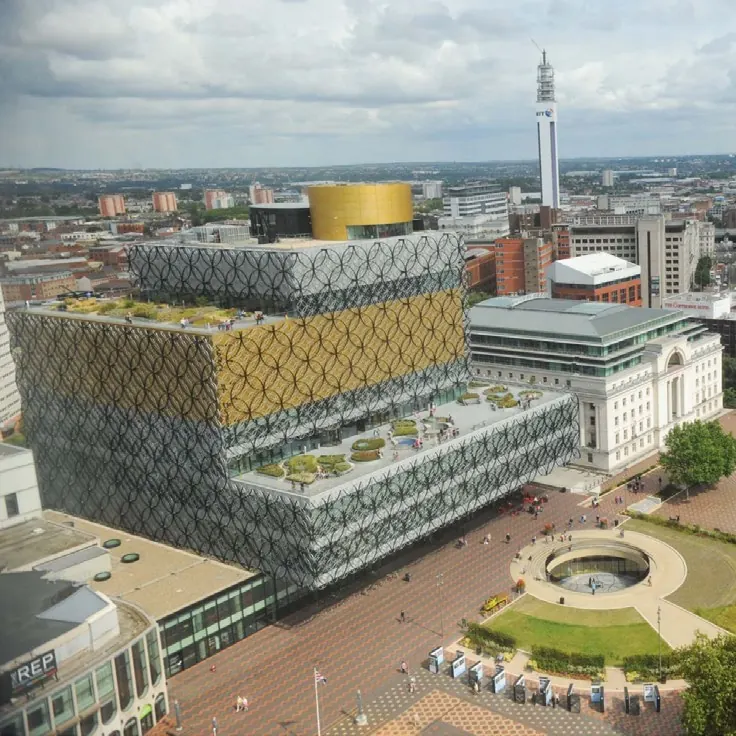
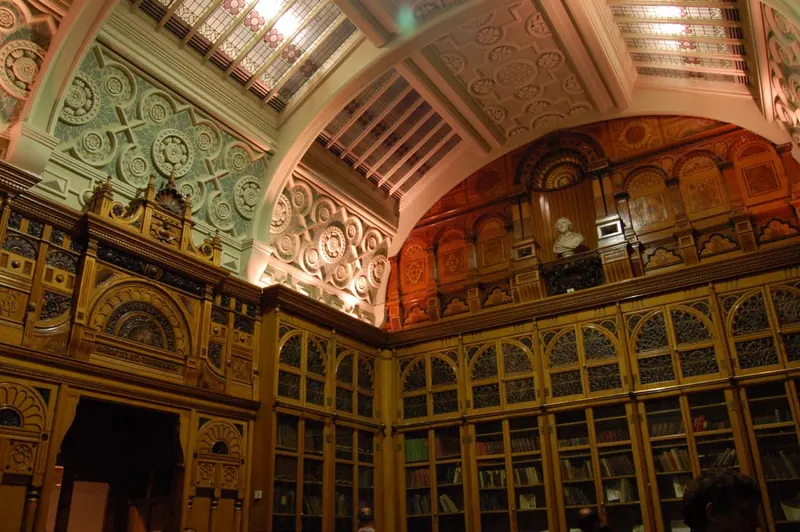
The enormous new postmodern public Library of Birmingham stands at the city centre. Located on the top floor is the reconstructed 1882 Shakespeare Memorial Room, accommodating England’s most inclusive Shakespeare collection.
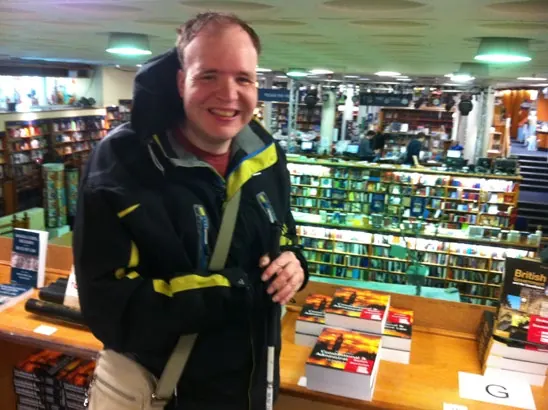
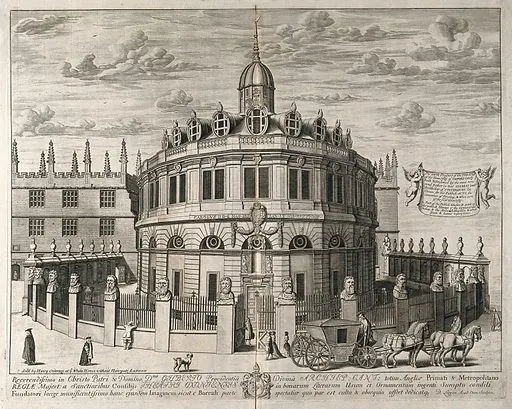
Wandering around Oxford, a blind student noticed my aimlessness and took me on a tour throughout the college town that included the Bodleian Library as well as the cavernous Blackwell’s Bookstore.
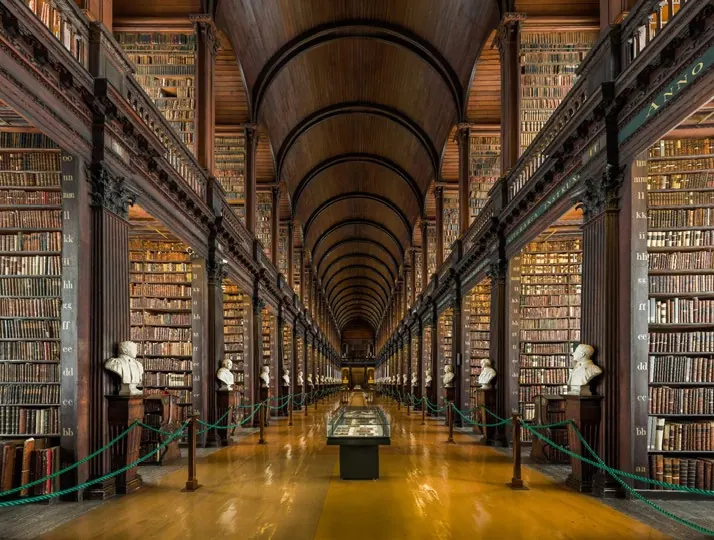
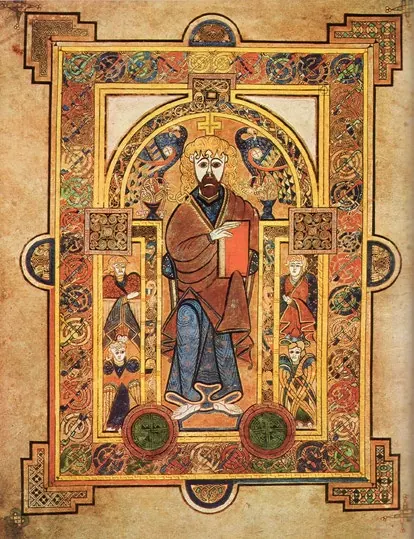
In Ireland, Dublin’s Trinity College Library is home to the awe-inspiring “Long Room” as well as the The Book of Kells.
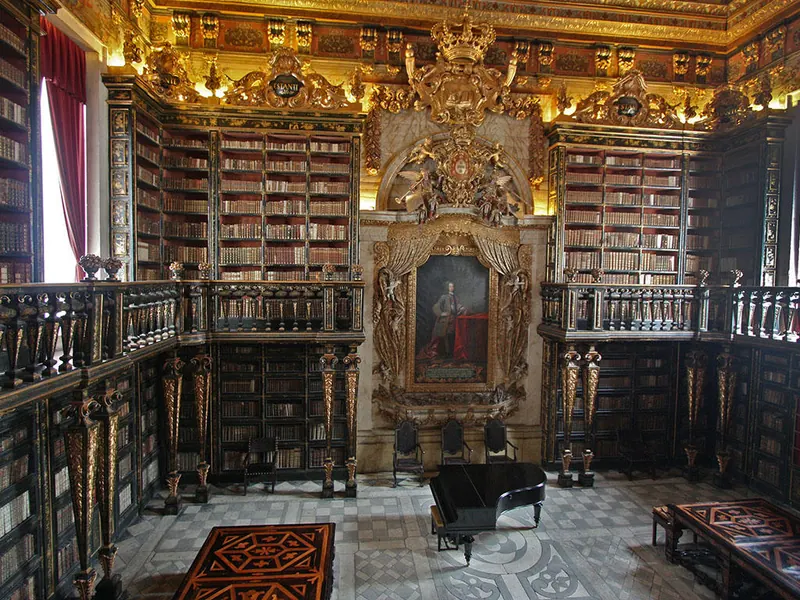
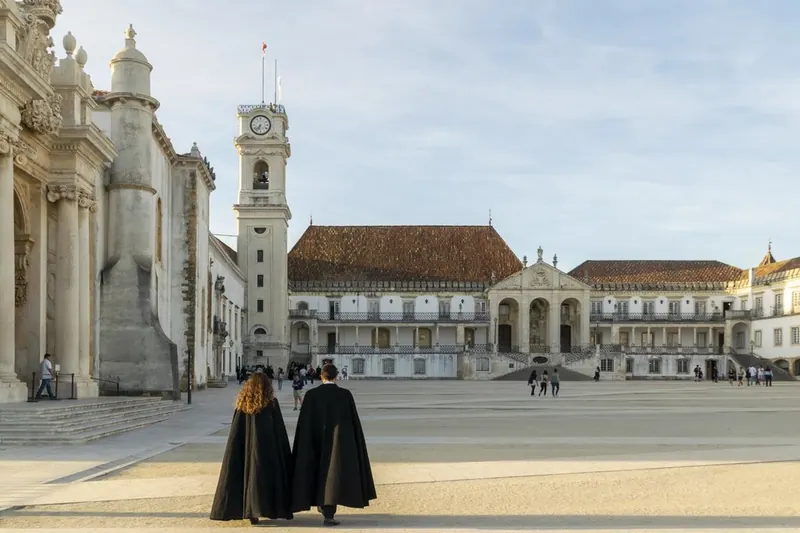
A recent trip to Portugal resulted in the discovery of the Baroque Biblioteca Joania at the University of Coimbra, built in the 18th century with the library dating to the 1500s.
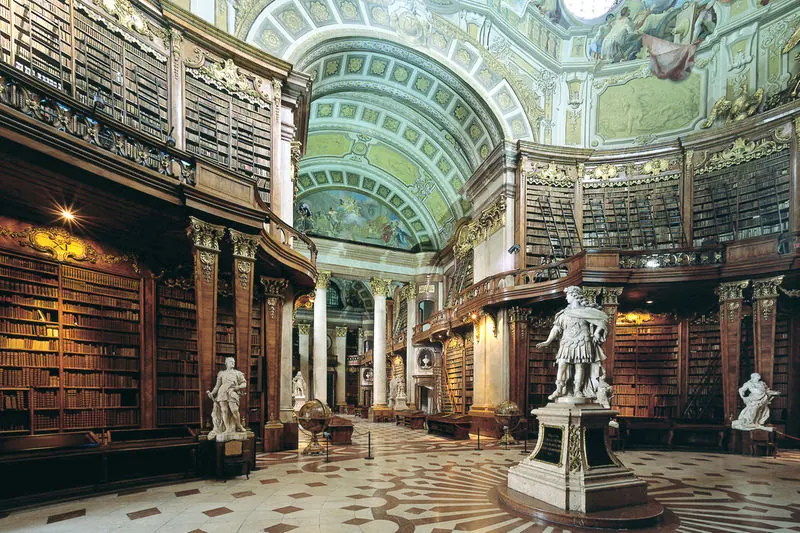
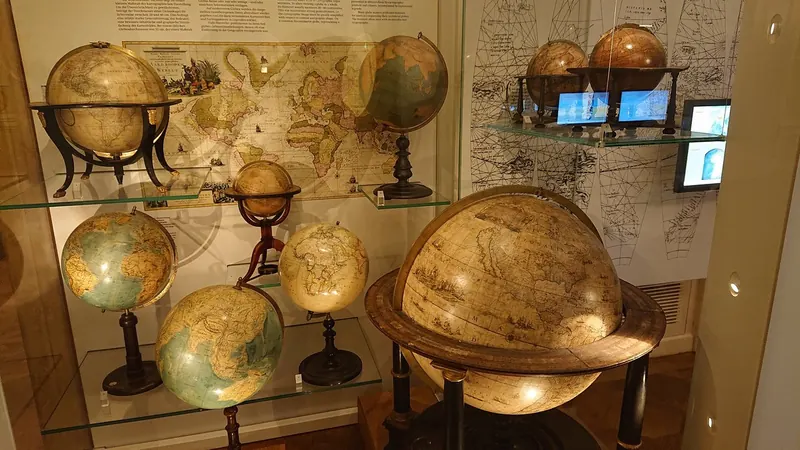
A trip to Vienna would not be complete without a visit to the Austrian National Library, which has a marvelous separate specialized Globe Museum.
Librarians are always enthusiastic about American libraries, whether the Widener at Harvard, Beinecke at Yale, Boston, Chicago, and NY Publics, and those morgue-like presidential libraries.
Is this fascination with books, research collections, information, history, libraries attributed to nature or nurture….is librarianship pre-destined? Is the “librarian nerd abroad” a psychological trait or learned behavior?
My library underpinnings were grounded much earlier. My mother would take me to the Monroe County Public Library, a “Carnegie Library,” as a kid to make sure I wiled away at least a portion of my summers participating in their “Summer Reading Program” amassing titles weekly and charting them to receive some sort of swag at the end of each August.
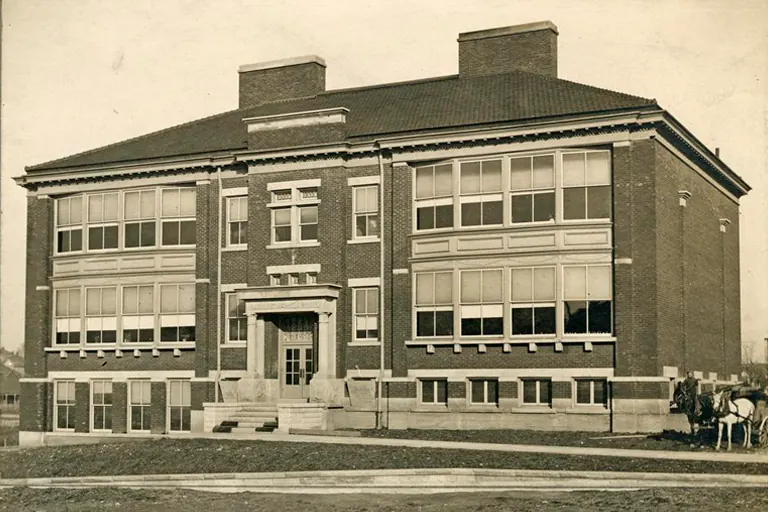
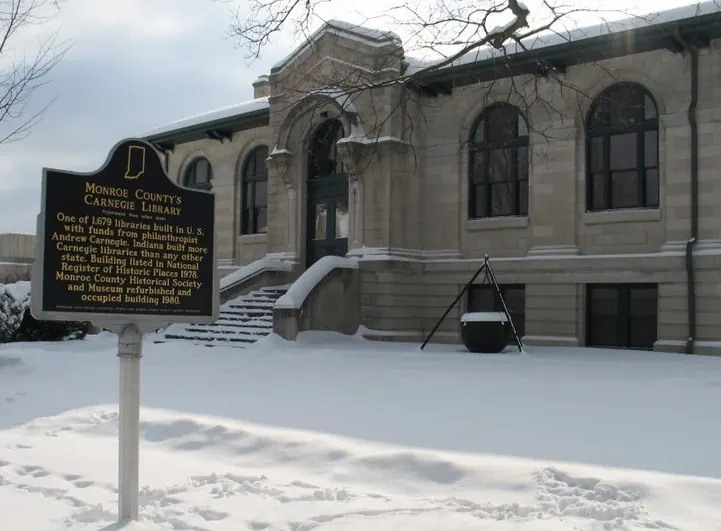
By 5th grade she volunteered in my grade school library at McCalla School where I also served as a library aide.
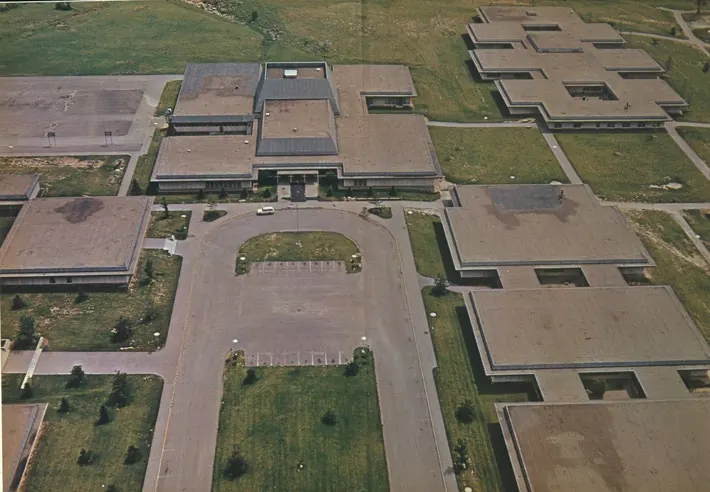
In 1964 Indiana University’s Education Department opened a brand new state-of-the-art “Lab School” that combined K-12 with a library that had all the innovations of baby boomer young adult librarianship—a collection peppered with the classics, coupled with relevant literature for the changing times, as well as new media library technologies: film strips, audio-visual resources, and conference rooms with televisions—for educational purposes of course—but also available to watch the live broadcast of the October weekday afternoon World Series games of the late 1960s. University School’s librarians were hospitable to knucklehead teens as they would do anything to cultivate life-long library users.
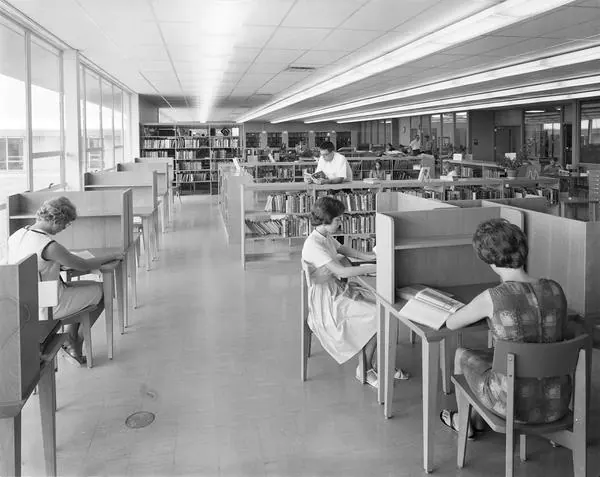
The expansion of universities in the 1960s resulted in a 1969 architectural gem of a library at my alma mater—what is now known as Indiana University’s Wells Library. Two buildings connected by a lobby—a five-story section dedicated to the Undergraduate Collection and an eleven-story behemoth for the General Collections—all laid out in a patron friendly grid with the Library of Congress classification scheme running the alphabet from the 4th floor to the top. The library’s exterior consisted of locally quarried limestone. The movie Breaking Away featured the building as illustrative of the schism between town & gown—the father in the movie had been a stonecutter in those quarries and yet felt uncomfortable entering this highbrow academic edifice that had been built with the limestone from his hometown.
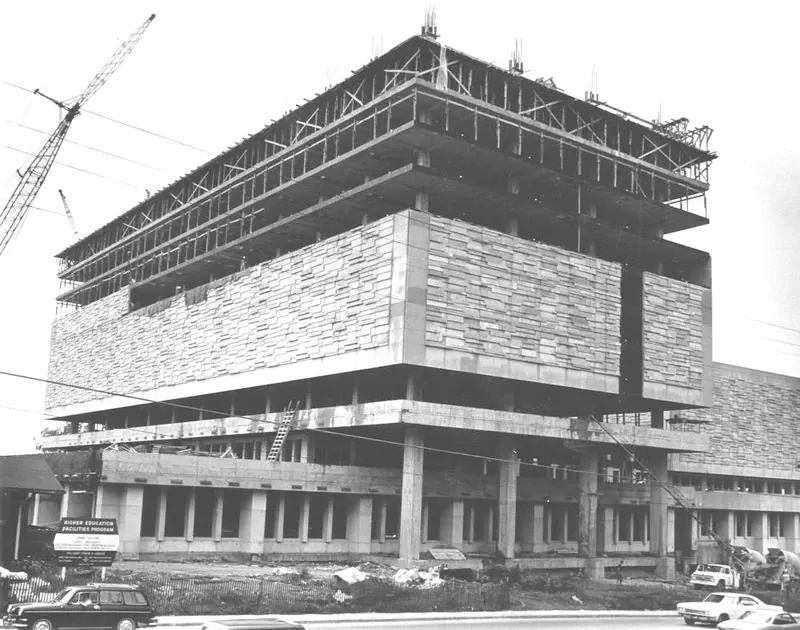
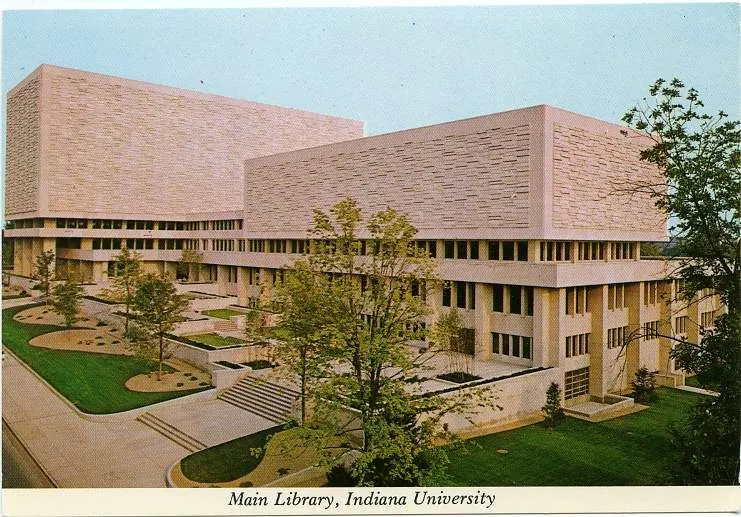
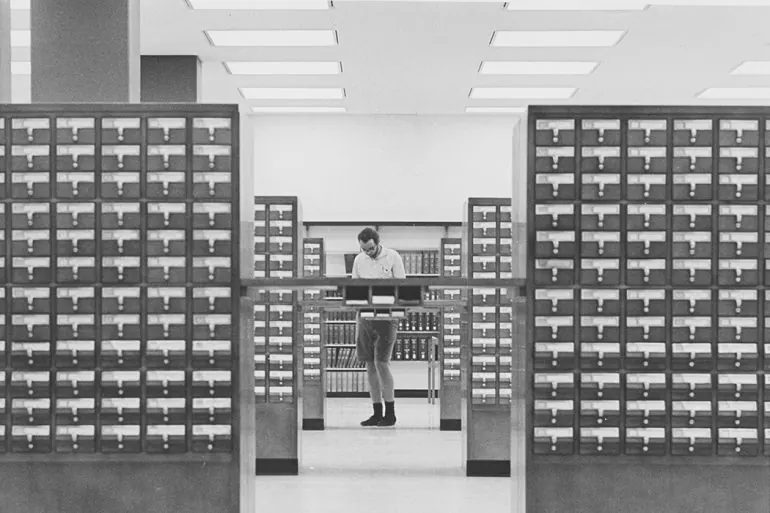
At some point after its construction rumors swirled that the library was sinking. The speculation was that engineers had failed to take into account the weight of the books and the foundation had been compromised. An urban tale much appreciated by the faculty of the university’s noted Folklore Department. Student library jobs proved entertaining if not always educational—everything from shelving materials to circulating reserve readings to students who would be sequestered into a 40 x 40 foot space where they could lounge, read and smoke! Better jobs appeared as my college career progressed. The Geography and Map Library had terrific collections of oddities including decommissioned European WW 2 maps along with a mimeograph machine where the student staff was responsible for printing exams for faculty. Other library jobs included working during the summer to re-position the entire collection of the Law School Library, heavy tomes that represented the ‘paper chase’ of legal education in the 1970s.
My Graduate Library School courses in the 1970s included “History of the Book,” “History of Libraries,” “Reference,” “Cataloging,” and “Computer Applications for Libraries.” One lecturer predicted that “someday all the bibliographic tools in the world would someday reside in a huge computer, maybe somewhere in Kansas.” We chuckled, when we should have been paying more attention. Seminars on intellectual freedom, and discussions of the classification of all knowledge from Diderot’s encyclopedia to Melville Dewey and the Library of Congress intrigued me.
At this point I was seasoned for a plum student job—as a “searcher”—to search for lost materials that students and faculty were desperate for. Check-out cards for lost materials would be thrown into a box and my co-workers, who were PhD English students, and I would draw out a dozen or so and then roam the stacks, the cataloging offices, the faculty carrels, the shelf list holdings and go on elaborate scavenger hunts to find missing tomes. This job taught me the inner workings of a library—something that was not on the library school curriculum—coordinating searches with catalogers, faculty and key library staff that knew the intricacies of the library’s organization. Opportunities arose to work with staff like Carol Hayes, the Manager for the General Collections—not a librarian—but a long-time library employee, who probably didn’t graduate from college. Hayes was one of those townies who otherwise might have felt uncomfortable in this academic setting, but her organizational skills, ability to work with everyone, and brilliant mind made her legendary among us searchers—she knew the collections and understood how they were used and why. However, it was my first realization of the how librarians with a chip-on-their shoulders could develop a disrespectful pecking order between themselves and paraprofessionals and minimize the work of staff like Carol Hayes.
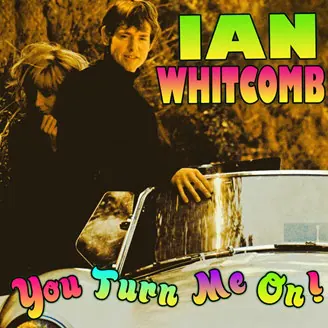
While growing up, my father, a historian, would disappear into libraries for research. On two different trips to D.C., my brother and I would visit the Smithsonian, the US Mint, Ford’s Theatre and the White House while my dad spent the days in the Library of Congress. He loved libraries and admired librarians and once joked, “One good librarian does more good than all the university administrators that ever lived.” He spent the summer of 1949 at the Bancroft in Berkeley and then sojourned to the Huntington Library in San Marino which was his go-to research facility throughout his sabbaticals and in his retirement; a happy camper as a “Reader” in the bowels of the Huntington. It was always such a privilege to get a look into the inner sanctum of the Huntington with its researchers gathering for lunch—a group that included literary scholars, art historians, screenwriters, and a British pop music historian, who had been a one-hit wonder rock and roller, Ian Whitcomb, whose song, You Really Turn Me On hit the charts in 1966. What a thrill to rub elbows with the Huntington’s eminent historians, Robert Middlekauff, Kenneth Stamp, Ray Billington, Martin Ridge, Paul Zall, James McPherson, and Karen Lystra.
The Indiana Historical Society Library
In the mid-1970s, Eli Lilly, the heir to the Lilly Company fortune, and philanthropist extraordinaire, began to disperse his wealth at a quicker pace. Some of that money went to Lilly’s loves: archaeology, history, and libraries. A large chunk went to the Indiana State Library to house a new addition for the Indiana Historical Society, a private institution that shared quarters with the State Library across from the state capitol in Indianapolis. As the IHS Library moved to its new quarters it was my luck to be hired to assist with the relocation of its special collections of manuscripts, rare books, maps, photographs and fugitive material. This would not be the last of Lilly’s gifts—just after their new quarters were built, Lilly died and left the IHS another 70 million dollars making it one of the best funded historical societies in the country……My timing was perfect, there was a library job at a new building with unbelievable resources AND a fascinating collection. This was my first “professional” job as a librarian as I was fresh out of graduate library school and still finishing my MA in history.
Arriving at the Indiana Historical Society’s William Henry Smith Library, in 1977, I had the opportunity to work with researchers—from scholarly historians to family genealogists; from newspaper reporters to local history buffs. The range included a Northern Indiana soybean and pig farmer who had an extraordinary knowledge of Indian treaties—particularly with how these “agreements” impacted the settlement of land in the Hoosier state. This researcher was not a college graduate and yet knew of all the nuances of these treaties and their impact on U.S. and local history, how the Treaty of 1809 and the Treaty of Fort Wayne with the Shawnee, Potawatomie, Lenape, and Miami influenced the world of Tecumseh, the British, and William Henry Harrison’s successful 1840 “Tippecanoe & Tyler Too” presidential campaign.
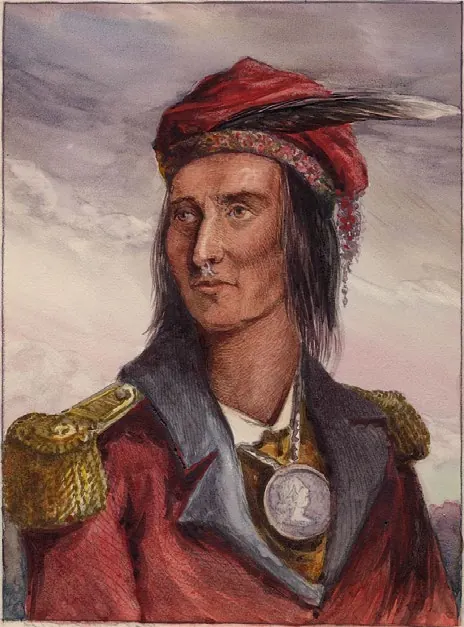
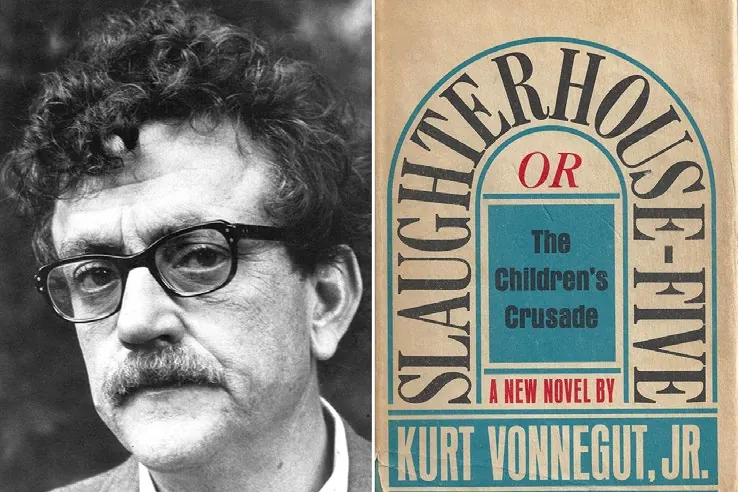
The library’s collections were wide-ranging—having been acquired since the historical society’s founding in 1830, and the holdings included all things related to Indiana’s footprint, pre-dating statehood. The cartographic collection was extensive as one of the library’s policies was to acquire ALL maps that showed the area between the Ohio & Wabash Rivers and Lake Michigan. This early mapmaking coincided with some of the best of cartography—and thus maps in the massive flat files included items as early as the 1550s as well as the stunning 1662 eleven-volume edition of the Blaeu Atlas. Abraham Lincoln’s youth in the Hoosier state was documented with the rail-splitter’s first handwriting, pages from his grammar school “Blab Book.” Kurt Vonnegut’s uncle wandered in one day and donated a 1945 typed letter that his nephew had written from a Red Cross hospital in Dresden that was a 3-page synopsis of what would become Slaughter House Five.
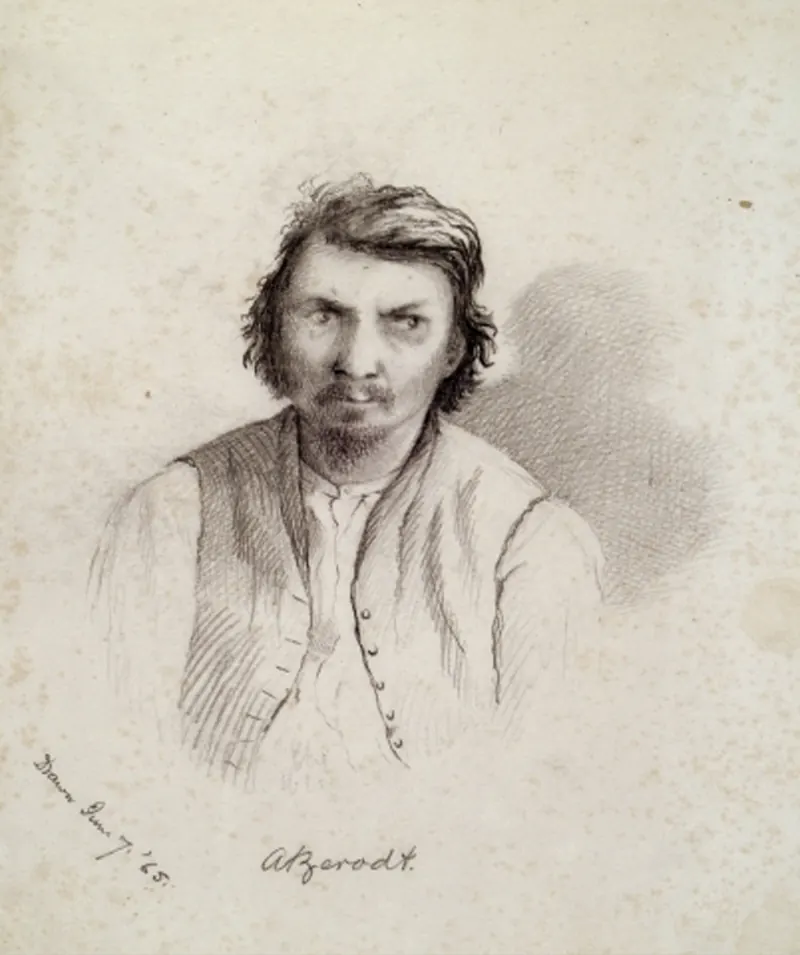
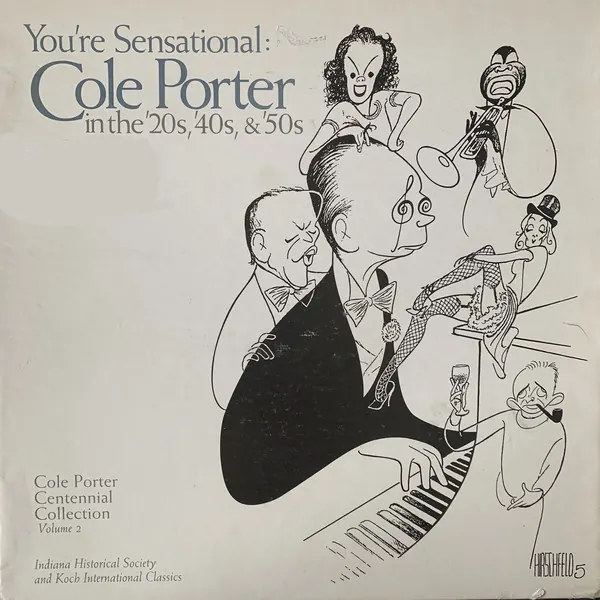
The Lew Wallace Collection of material from the Indiana author of Ben Hur, contained literary ephemera as well as a fascinating paper trail of his other careers. As a Civil War general Wallace served on the military jury that tried the Lincoln Conspirators. Included were Wallace’s notes taken during the trial and his courtroom sketches of the defendants who were soon to reach the gallows. There was also extensive documentation of Lew Wallace’s time as the territorial governor of New Mexico during the Lincoln County wars, which included letters from William H. Bonney. These collections were seldom used—-so when the library staff got bored we would pull out the “Billy the Kid” letters written to Gov. Wallace and try to understand the political shenanigans of territorial disputes of the Old Southwest. The Eli Lilly money meant additional staff could be hired to accommodate an expanded institutional mission. This coincided with the 1970s increase in the public’s curiosity with history. Awareness in historic preservation had followed on the heels of the 1966 “National Historic Preservation Act,” triggering an expanding awareness of 20th century urban history and vernacular historical structures. A new audience of genealogists appeared, prompted by Alex Haley’s Roots—first in book form then as a must-see television event. The Indiana Historical Society underwrote a project to microfilm all of Indiana’s 19th century newspapers along with efforts to collect, arrange, and catalog tens of thousands of historical photographs. And a conservation program was initiated. Historical publishing expanded with the undertaking of special projects like a new volume based on the 1930s WPA state guide book series that would be titled, Indiana: A New Historical Guide, complete with the minutia of Hoosier history to accompany the blue highway road trips. Publications expanded to records, as the Indiana Historical Society underwrote LP albums that included the boxed set of You’re Sensational: Cole Porter, ‘20s, ‘40s, & ‘50s as well as the album Indiana Ragtime. (IHS: 1981)
But maybe the most significant initiative was the commitment to launch a program to collect Indiana’s African American history. This interest had been stimulated by the research and writings by numerous scholars over the decades as early as Jacob Piatt Dunn’s 1888 book, Indiana: A Redemption from Slavery and continued with the noted historian (and eventual UC Professor) Kenneth Stamp who had used the collections when completing his PhD dissertation at the University of Wisconsin. The primary advocates for the program to collect Indiana’s Black History were two sisters, Dr. Emma Lou Thornbrough of Butler University and Gayle Thornbrough, the Executive Director of the Society. Emma Lou Thornbrough’s 1946 PhD thesis at the University of Michigan was titled Negro Slavery in the North: Its Legal and Constitutional Aspects. Her 1957 title The Negro in Indiana Before 1900 “set the standard for examinations of the Black experience in the Northern states” during the 19th century, as well as her publication, Indiana Blacks in the 20th Century (Bloomington: Indiana University Press, 2000). She also wrote key articles like “Segregation in Indiana during the Klan Era of the 1920s” (Mississippi Valley Historical Review, March 1961) and her legal article from 1993, “The Indianapolis Story: School Segregation and Desegregation in a Northern City.” Dr. Thornbrough’s was quick to educate librarians and colleagues of the library’s strengths and weaknesses, the most important of whom was her sister, Gayle. Miss Thornbrough (as we addressed her) was a noted editor, scholar, author and librarian and a wonderful boss. She was well aware of the Library’s collection of Black history and understood the importance of expanding these materials for future scholars. With Miss Thornbrough’s advocacy and library staff support, it was my honor to be the point person to solicit primary sources to supplement the collections as well as publicize these efforts. As new collections were acquired and promoted, new researchers appeared—including historians interested in 19th century rural Black communities; scholars interested in the role of Hoosier Quakers in the underground railroad; and those curious about the rich jazz history of Indianapolis. These researchers simultaneously stimulated collection development leading to the acquisition of Black church records, materials on the Indianapolis chapter of the National Council of Negro Women, papers of prominent Black politicians, and photographic material from Indianapolis’ Black newspaper, The Recorder. One of the major acquisitions was The Madame C.J. Walker Company Collection that documents the first Black woman self-made millionaire and her beauty products empire that had been based just a few blocks from the Historical Society since 1910.
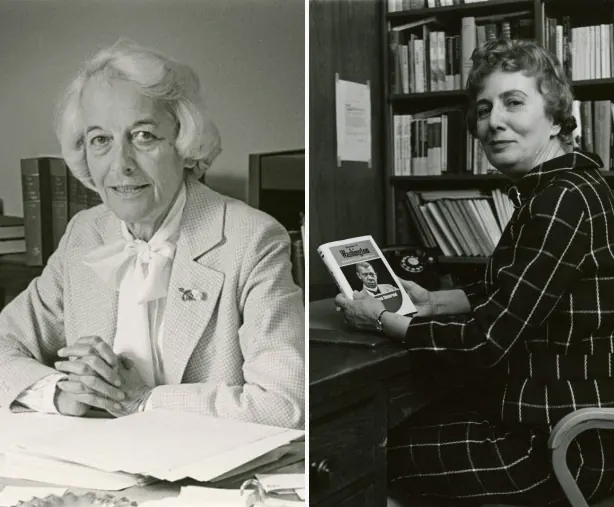
Wonderful researchers appeared and it was a thrill to show off the collections. The genealogists were intrigued to stumble upon adoption records, some dating to the 19th century and one extraordinary ledger from an Indianapolis African American orphanage. There were researchers who would become very noted in their fields such as Stanley Nelson whose first documentary film was about Madame Walker. (Nelson has won 3 Emmy Awards, and has been the recipient of a MacArthur “genius grant.” His films, shown on PBS, include Tell Them We are Rising: The Story of Black Colleges & Universities (2017), Jonestown: The Life and Death of People’s Temple (2007), and the 2021 Tulsa Burning: The 1921 Race Massacre). The Madame Walker materials enticed actor, Cicely Tyson who sat at the library’s large research tables absorbing the primary source documents created by someone Tyson was contemplating portraying on screen. Even some of my history professors arrived, like Prof. William Wiggins, who was writing about the Negro League baseball team, the Indianapolis Clowns. Wiggins would later publish one of the first folklore studies on Juneteenth celebrations. There was also a young professor from Purdue University, Darlene Clark Hine, who would become one of the groundbreaking historians of African American women. Hine researched Black women’s organizations in the mid-west and later became President of the Organization of American Historians.
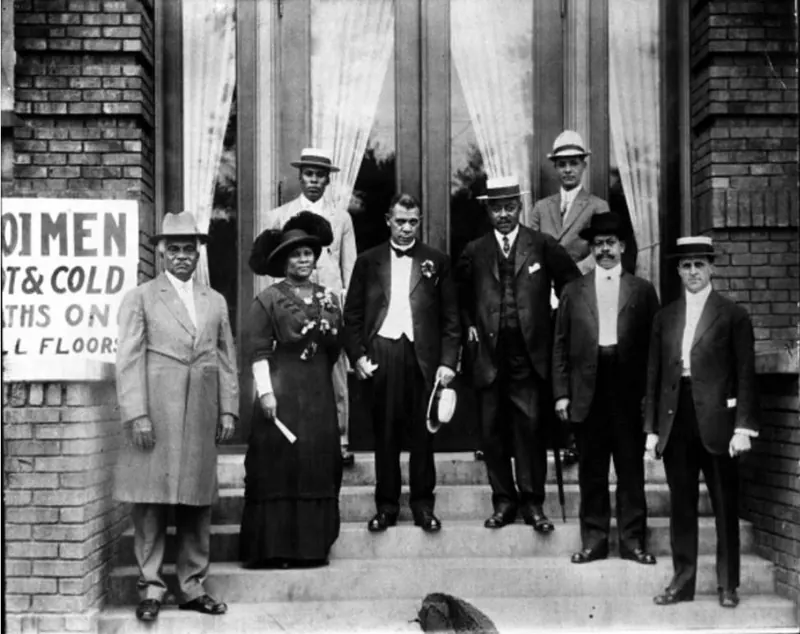
Local newspapers, radio, and television publicized the IHS Black History Project, easing our efforts to gain credibility with African American Hoosiers—a long row to hoe for an institution that was traditionally white and whose collections and outreach seemed to focus on the great white politicians of the state. This need for credibility was certainly recognized by me with a white face and yet spearheading this effort. The growing African American community that wanted to participate in the Black History Project was immensely rewarding for a young librarian. Annual conferences and publications ensued—it was like dropping down the rabbit hole of new ideas grounded in historical records with fascinating fellow travelers.
But librarians, especially special collection librarians, and someone as young as me tend to take for granted their unique perspective of peering into the authentic documents and looking over the shoulders of those at the beginning of important in-depth research. Experiences at the Indiana Historical Society with researchers were always interesting but I didn’t realize how interesting—only in hindsight does this resonate. I also took for granted the stellar, confident, well-respected women scholars that were setting such marvelous role models for me, especially my boss, Miss Thronbrough.
The San Francisco Art Institute Library
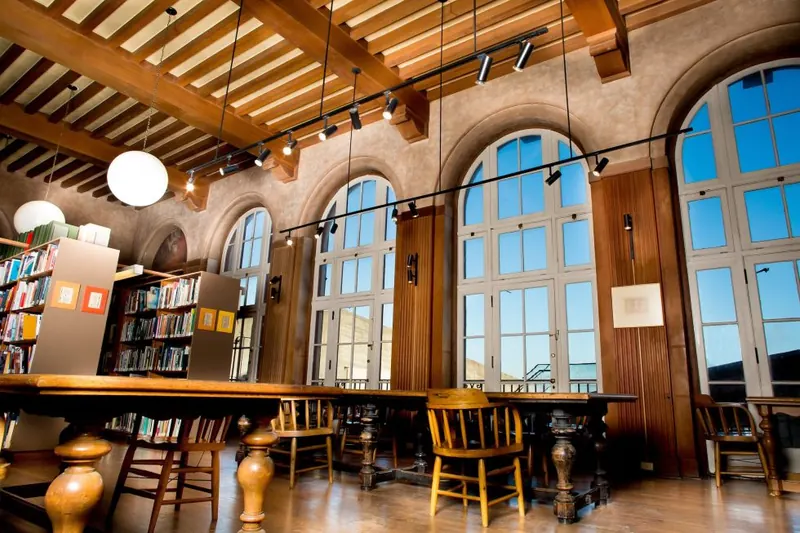
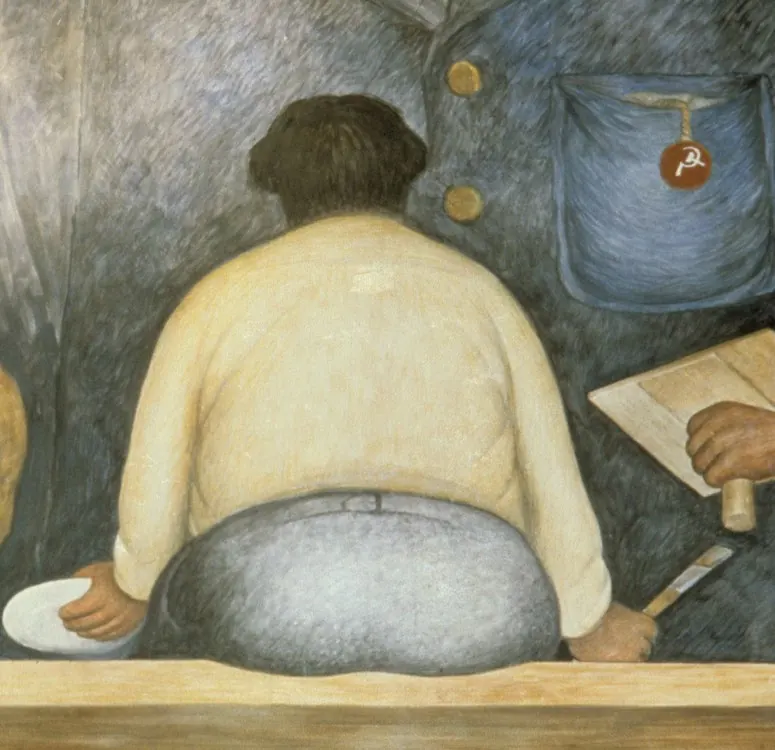
Moving from the exclusive rarified bastion of the Indiana Historical Society Library to a new world at the San Francisco Art Institute—a rowdy, rebel outpost of an art college—proved mind-boggling. Library users included punk student, Amana Speedqueen—a made-up name with a concocted backstory that she was “born in a washing machine.” As a student library worker, Speedqueen organized a mini-conference about Allen Watts and how his vision of California Zen Buddhism influenced artists, filmmakers, and poets of the Bay Area. Another student, Tiare “Ferrari” Holmes researched SFAI’s 1931 Diego Rivera mural and had gleaned that there had originally been a Soviet hammer and sickle embedded on the blue-collar worker’s Red Star badge and figured it needed to be resurrected. So, she and some student comrades “restored” Rivera’s fresco with this symbol, not knowing their research was based on folklore.
The SFAI Library’s objective has always been to serve studio artists by providing current information, illustration, and critique of the contemporary art world. This has resulted in a 150-year collection of materials documenting the evolution of that cultural history. The SFAI’s library is the oldest art library on the west coast. This “living” library continues to cull materials reflecting today’s art and artists while also serving as the SFAI institutional archives thus documenting the cultural development of Northern California since the 1870s.
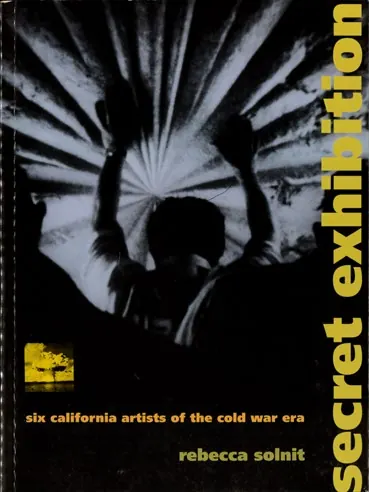
Rebecca Solnit researched her first book, Secret Exhibition: Six California Artists of the Cold War Era using the library’s archival resources while her title on Eadweard Muybridge, River and Shadows, also relied on nuggets of information gleaned from the SFAI Library. Both Paul Karlstrom and more recently Jacob Stewart-Halevy investigated the library’s archives for their historical surveys about California art education, published in Reading California: Art, Image & Identity (UC Press, 2000) and Slant Steps: On the Art World’s Semi-Periphery (UC Press: 2020).
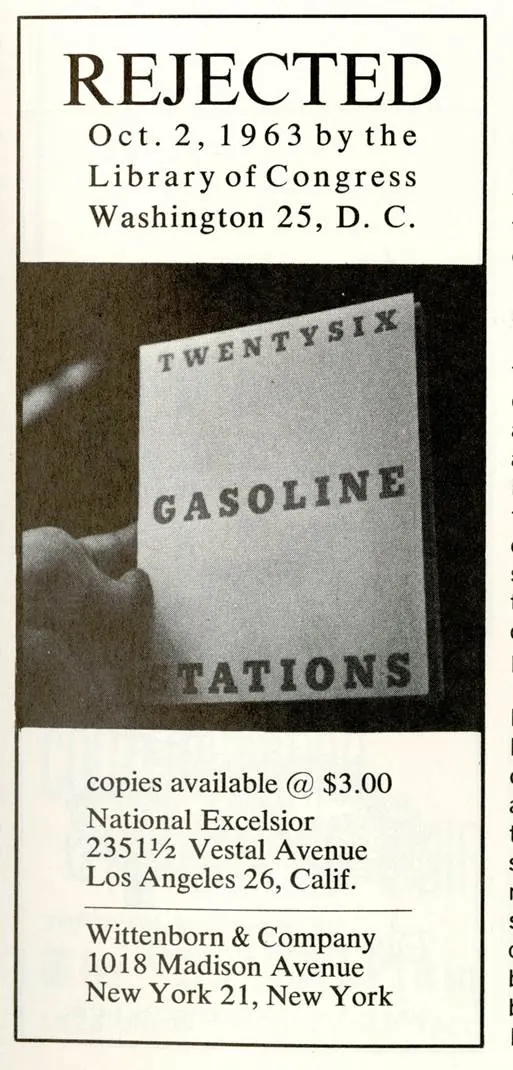
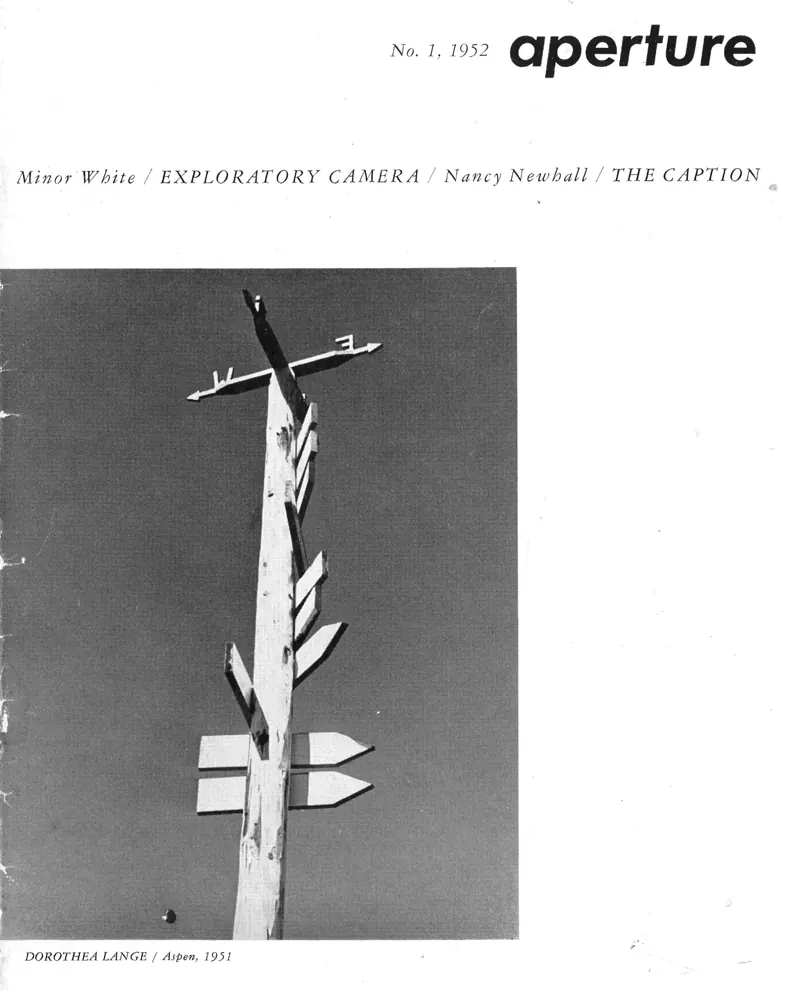
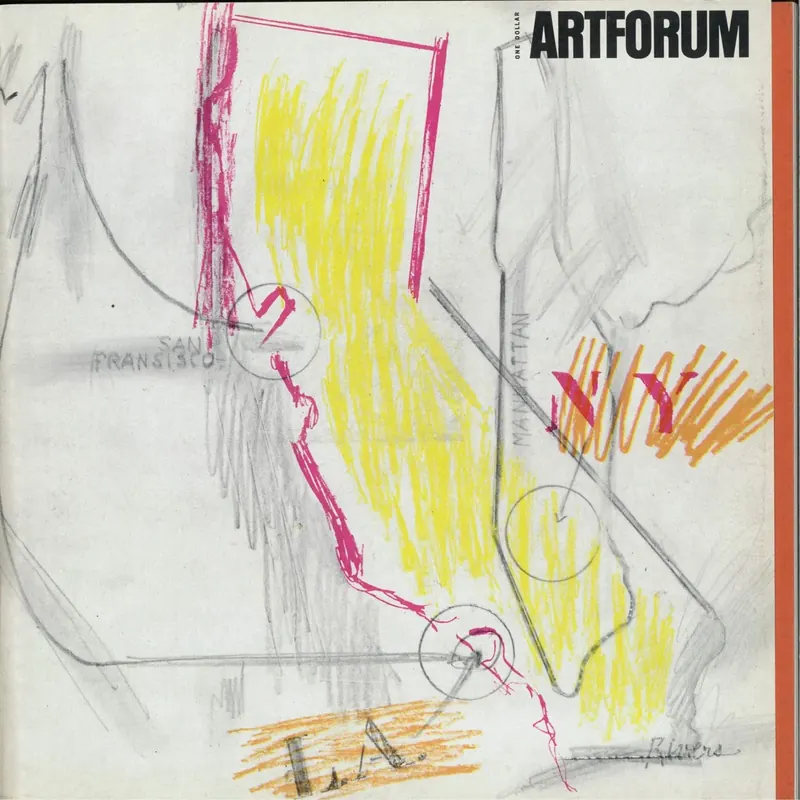
I was lucky to have yet another wonderful boss, Sharon Chickanzeff, who assigned me the extracurricular duties of “archivist,” giving me the opportunity to assist art historians, writers, and filmmakers who have inspected the primary sources of the SFAI Archives. Chickanzeff proved a terrific mentor to a novice in the field of art librarianship. She was cool, an art scenester who would sashay into the library around 10:30 after a night of research out on the town. She was from Southern California, knew a lot about art history and knew even more about contemporary art. After leaving the Art Institute, she went on to Parsons School of Art in New York City and then as the library director of the Institute of Fine Arts at NYU. Sharon also taught me the importance of the work of artists like Ed Ruscha primarily through his artist’s books that she had brilliantly acquired for the library in the 1970s when they cost next to nothing. Instead of treating Ruscha’s artists books as precious objects, Chickanzeff made sure to get them into students’ hands—and thus used by artists. Ruscha’s first artist book, Twentysix Gasoline Stations done in 1962 prompts one of the best stories of the relationship between artists and libraries. Ruscha sent Twentysix Gasoline Stations to the Library of Congress for its collections. The book is simple, it depicts rather bland photos of 26 gas stations with virtually no other information. Jennings Wood, from the Library of Congress wrote back, “Dear Mr. Ruscha: I am…returning this copy of Twentysix Gasoline Stations, which the Library of Congress does not wish to add to its collection. We are, nevertheless, deeply grateful for your thoughtful consideration of our interests.” So, in the March 1964 issue of Artforum magazine Ruscha took out an ad with a photo of the cover of Twentysix Gasoline Stations: “REJECTED: by the Library of Congress” and listing, “copies available @$3, National Excelsior, Los Angeles.” Ruscha was not alone in this dialog between artists and libraries. An explosion of artists’ ephemera in the 1960s and 1970s led to a whole new area of library collecting— “extra art” a term invented by the late Steven Lieber who recognized the importance of this cultural evidence that documented the happenstance, flotsam and jetsam generated by artists. At the same time artists created primary source documentation of their existence by self-publishing their own periodicals so skillfully described by Gwen Allen in her brilliant book Artists’ Magazines: An Alternative Space for Art (MIT Press, 2015). For instance, in 1952, Ansel Adams and his cohorts realized the necessity for a journal for photographers fashioning themselves as “artists” resulting in aperture magazine edited by Minor White at the San Francisco Art Institute. California artists and gallery owners recognized the necessity for a new west coast art magazine culminating with the first issue of Artforum in 1962. Both aperture and Artforum, now located in New York, are the standard-bearers in their fields.
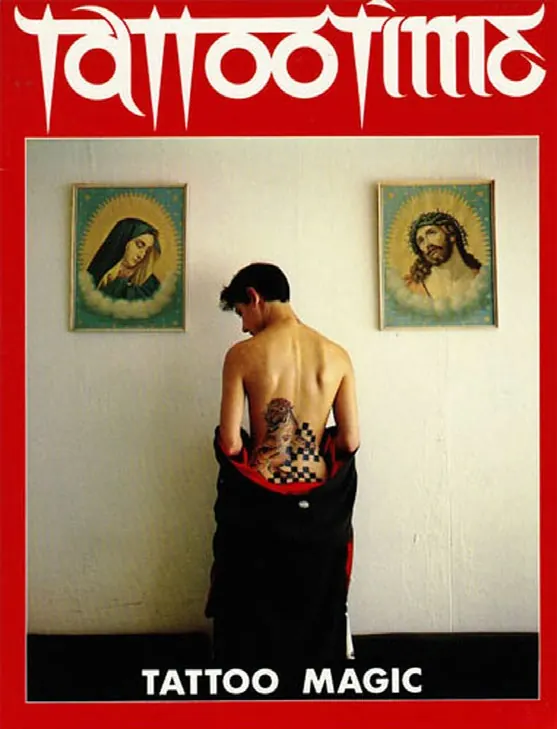
Tattooer Ed Hardy had struggled with finding information on tattooing when doing a paper for his 5th grade class on “future careers.” He visited the Los Angeles Public Library and scoured their resources, quizzing the librarians and they came up with only a couple of titles. By the time Hardy was well along with his profession (despite what his 5th grade teacher might have thought of this 10-year-old’s odd career choice), there still was no material on tattooing. Necessity led to Hardy’s 1982 publication of the first issue of Tattootime in San Francisco “to provide accurate and enlightened information” about tattoos and tattooers. Tattootime is an example of how librarians need to stay ever vigilant in collecting outside the mainstream to maintain the cultural record.
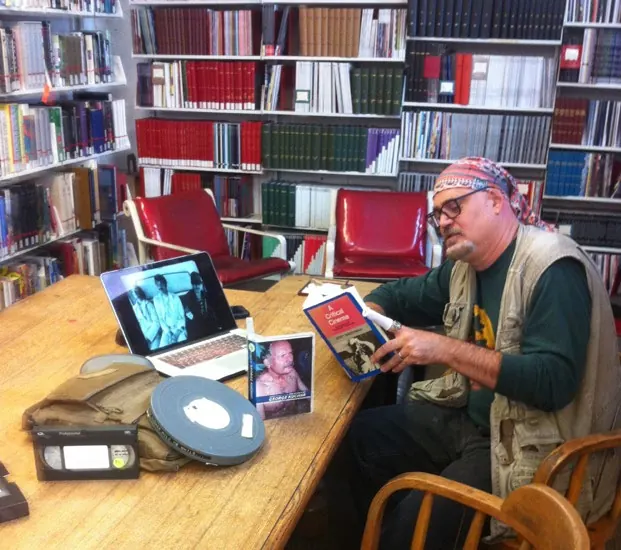
SFAI faculty use a wide range of materials preparing for their classes, —books, journals, archival materials, online databases, recordings, 16mm film, video, and DVDs as illustrated one day when the library staff spotted Film Department chair, Christopher Coppola at a table with an example of each at his desk!
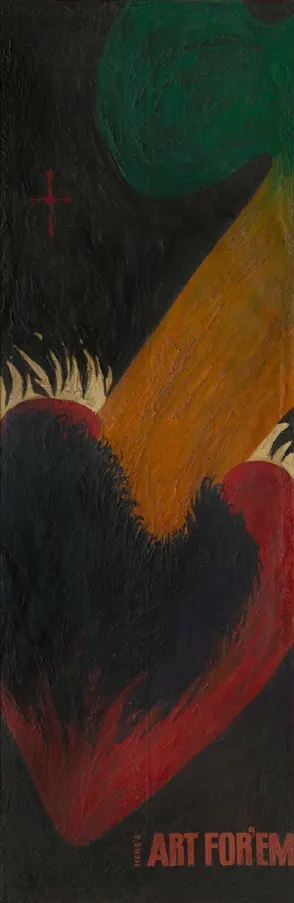
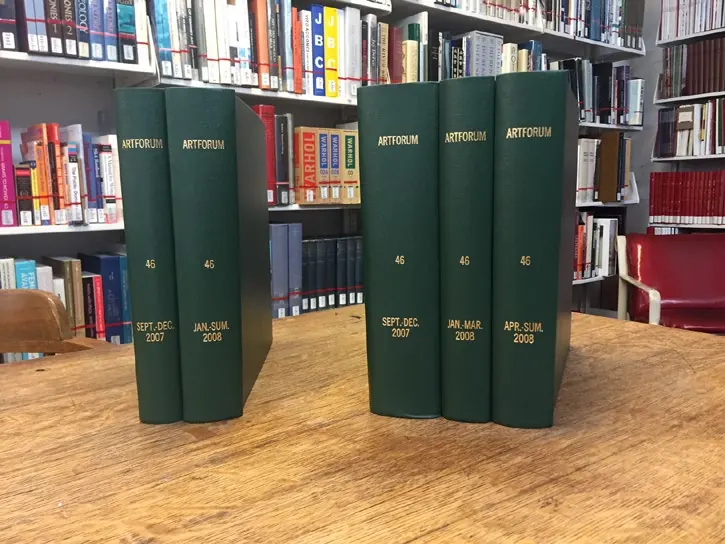
Artists are quick to criticize and comment on their library findings as demonstrated by Wally Hedrick, who was suspicious of the new local art periodical, Artforum, and thus did a painting of a mock cover of the magazine with a new title, “Here’s ART FOR ‘EM.” Hedrick had studied with the poet, Jack Spicer at SFAI who had taught Wally “how to take words and to use the library…and do research.” Some 50 years later, the artist Chris Sollars, a visiting faculty member at SFAI did a clandestine art piece which he surreptitiously shelved into the collections. Sollars had examined the entire holdings of the half century run of Artforum which is bound in a deep green buckram cover with gold lettering. He had figured out who our bookbinder was and purchased his own set of volume 46, running from September 2007 through Summer 2008 and had his set bound exactly like the library’s set. However, the artist separated the text from the advertisements resulting in two volumes of content and three fat volumes of only the ads. A wonderful commentary (using library resources) about the art world economy.
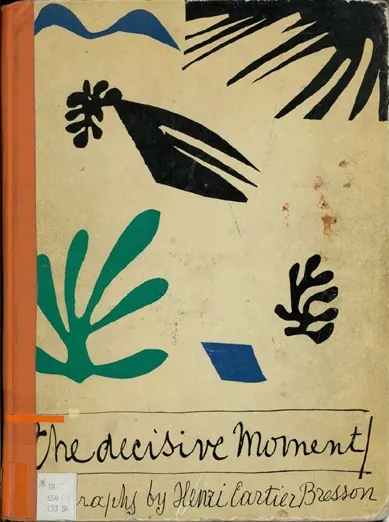
Lots of artists are slobs and leave their fingerprints on collections as verified by the SFAI Library’s copy of one of the most crucial photography titles of all time, Henry Cartier Bresson’s The Decisive Moment (Simon and Schuster, 1952). Just recently I stopped being embarrassed about the condition of this rare first edition, which has been beat-up, by both library staff and photographers. A call number pasted on the extremely smudged cover obscures text along with orange sticky book tape swallowing up part of the Matisse drawing. But I now realize that this sooty, very handled copy of this famous photo book has probably been perused by more well-known photographers than any other copy of The Decisive Moment in existence. And none of these artists really cared that it was in such condition. Proof that painters checked-out library materials and had them at their easels can be seen in the perfect mess on title pages of books with dabs of paint from their palettes matching those of the reproductions in the monographs. Books soon develop their own collaborative patina as used in the studios.
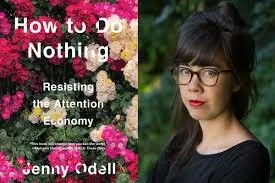
Other artists take a much deeper dive, like Jenny Odell, an SFAI (MFA, 2010) student and voracious library user, whose graduate exhibition Travel by Approximation consisted of a virtual road trip via “Google Street View, Yelp, Tripadvisor, Wikipedia, virtual hotel tours, etc.” demonstrating the wealth of material that can be mined from online resources. Odell would later research what she called “uncanny e-commerce” and “dropshipping,” a form of online scalping of products for an investigative piece “A Business With No End: Where Does This Strange Empire Start or Stop,” for the New York Times (Nov. 27, 2018). Odell’s artistic approach to research coupled with her writing skills gelled with How to Do Nothing: Resisting the Attention Economy, which was selected by Barack Obama as one of his “Favorite Books of 2019.”
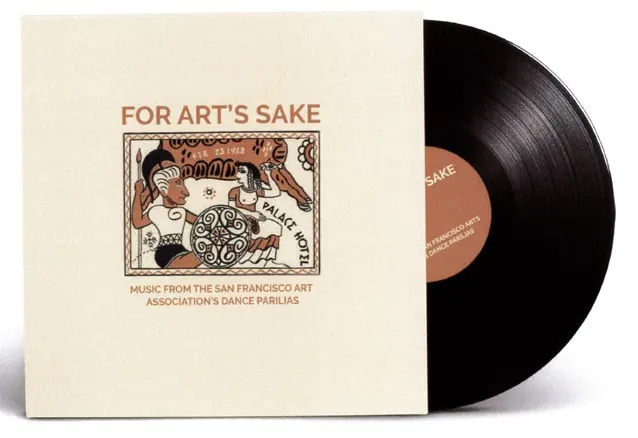
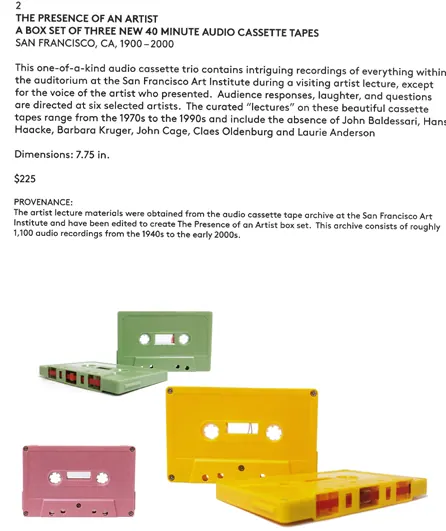
Captivating results from archival research has come from the unique vision of SFAI students like those in Lindsey White’s Spring 2016 class who used the archives to create supplemental “extra-art” concluding with an auction of fabricated Fine and Rare Ephemera. Student, Simon Garcia-Minaur produced “For Art’s Sake” after finding original musical scores that accompanied elaborate 1930s era SFAI sponsored pageants called Parilias. Simon made something out of nothing when he took those scores and had them recorded onto a vinyl record, thus adding sound to the silent archival holdings about this social event. Elizabeth Kohnke did the opposite and made nothing out of something, with her archival manipulation titled, “The Presence of an Artist: A Box Set of Three New 40 Minute Audio Cassette Tapes.” This piece consisted of a remix of original lecture recordings eliminating the voice of the artist. Included were “audience responses, laughter, and questions directed at 6 selected artists”—John Baldessari, Hans Haacke, Barbara Kruger, John Cage, Claes Oldenburg, and Laurie Anderson.
And my journey in libraries continues…..
I would like to acknowledge a former Chit Chat Club member, the writer, historian, and librarian, Kevin Starr, who I wish were with us tonight. I would hope he would have gotten a kick out of some of these reminiscences; I know he would have recognized much of this familiar library territory.
© 2021 Jeff Gunderson. All rights reserved.